Edtech-Lab Metaverse overview and applications in education NICE-TEAS ASIA 2025
Metaverse, an experiential digital environment, is expected to open up new approaches to teaching and learning. According to Yeganeh, Fenty, Chen, Simpson, and Hatami (2025), Metaverse can create realistic simulated learning environments, helping learners deeply understand complex concepts and apply knowledge in real-world contexts. Popov, Mateju, Jeske, and Lewis (2024) highlight the significant potential of the Metaverse in medical education, providing students with a safe, controlled environment to practice clinical techniques before working with real patients. Some research also shows that Metaverse can support the development of key skills such as critical thinking, communication, collaboration, and problem solving — core competencies in contemporary education (R. Damaševičius, 2024). According to Hwang and Chien (2022), Metaverse can promote student learning motivation through highly interactive, immersive experiences, while allowing learners to perform hands-on activities without being limited by physical space or standard teaching materials.
However, Metaverse in education still faces many challenges: high initial investment costs and disparities in accessibility between student groups. There is still a lack of a comprehensive picture of how the Metaverse is applied specifically in education. This research focuses on synthesizing and systematizing the educational fields where Metaverse is applied, along with the purposes those applications aim to achieve. 📌
Research questions (RQs) ❓
RQ1: In what specific areas of education is the Metaverse most commonly applied?
RQ2: What is the main goal of recent research on Metaverse technology for education?
RQ3: What skills does the Metaverse support the development of learners?
What specific skills are prioritized in Metaverse-based learning?
What skill groups are commonly addressed and studied in educational contexts using the Metaverse?
RQ4: How are educational experiments related to the Metaverse typically organized?
What common structures or formats are used in these implementations?
RQ5: What methods are used to measure learner behavior and engagement in the Metaverse environment?
What assessment/measurement techniques are used most often?
Research contributions 🔎
The study provides a comprehensive overview and analytical synthesis of current applications of the Metaverse in education, focusing on five aspects:
The fields of education in which Metaverse is most commonly applied are:
Objectives of contemporary research.
Learner competencies and skills are developed in a Metaverse-enabled environment.
Research design and implementation frameworks to realize Metaverse-based interventions.
Methods for assessing learner behavior and interactions in these environments.
In doing so, the study sheds light on both the transformative potential and practical challenges of integrating the Metaverse into higher education and vocational training.
Keywords: immersive learning, learning analytics, metaverse, virtual reality, assessment framework 🔑
Information presented 🗓️
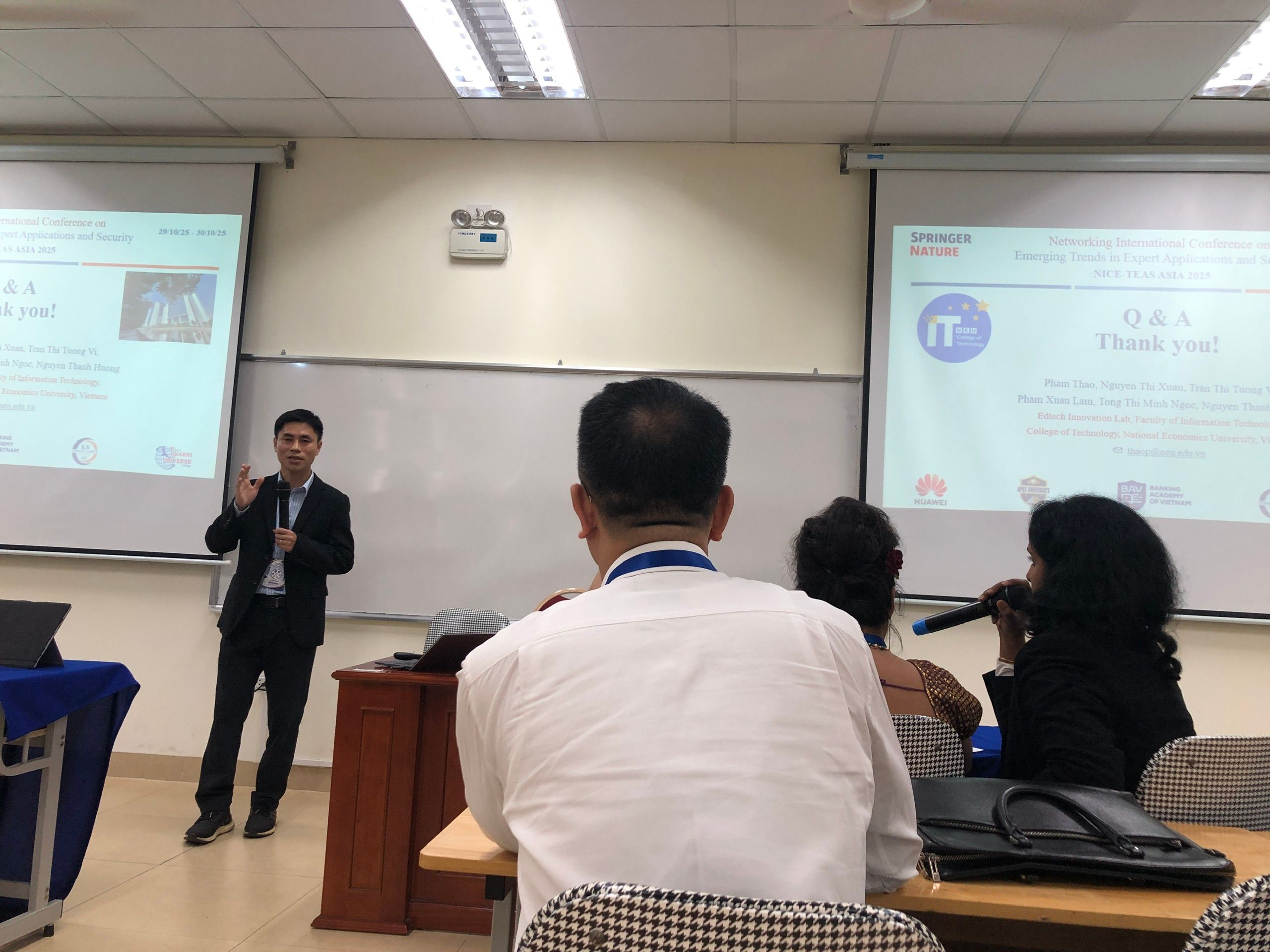
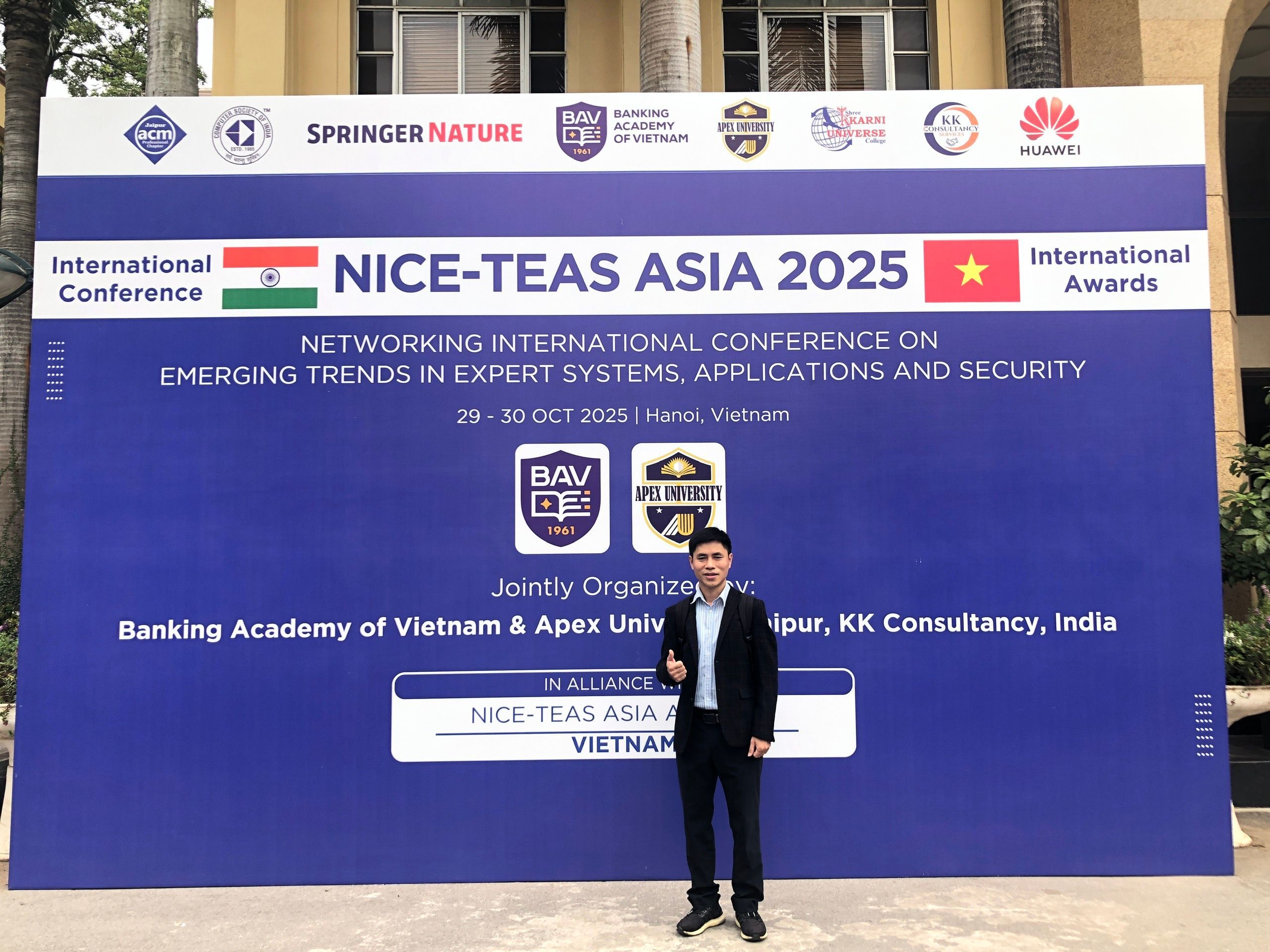
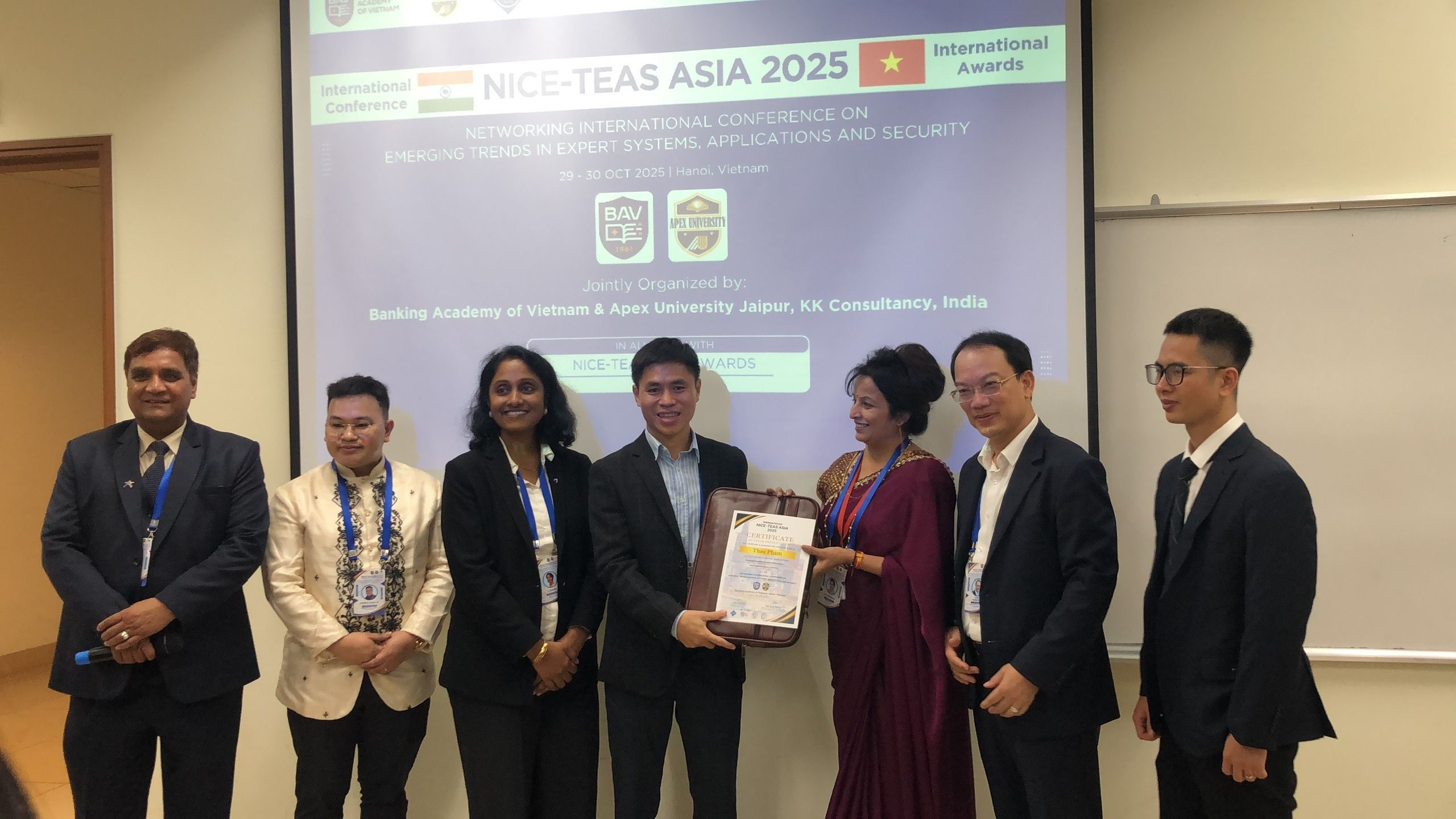
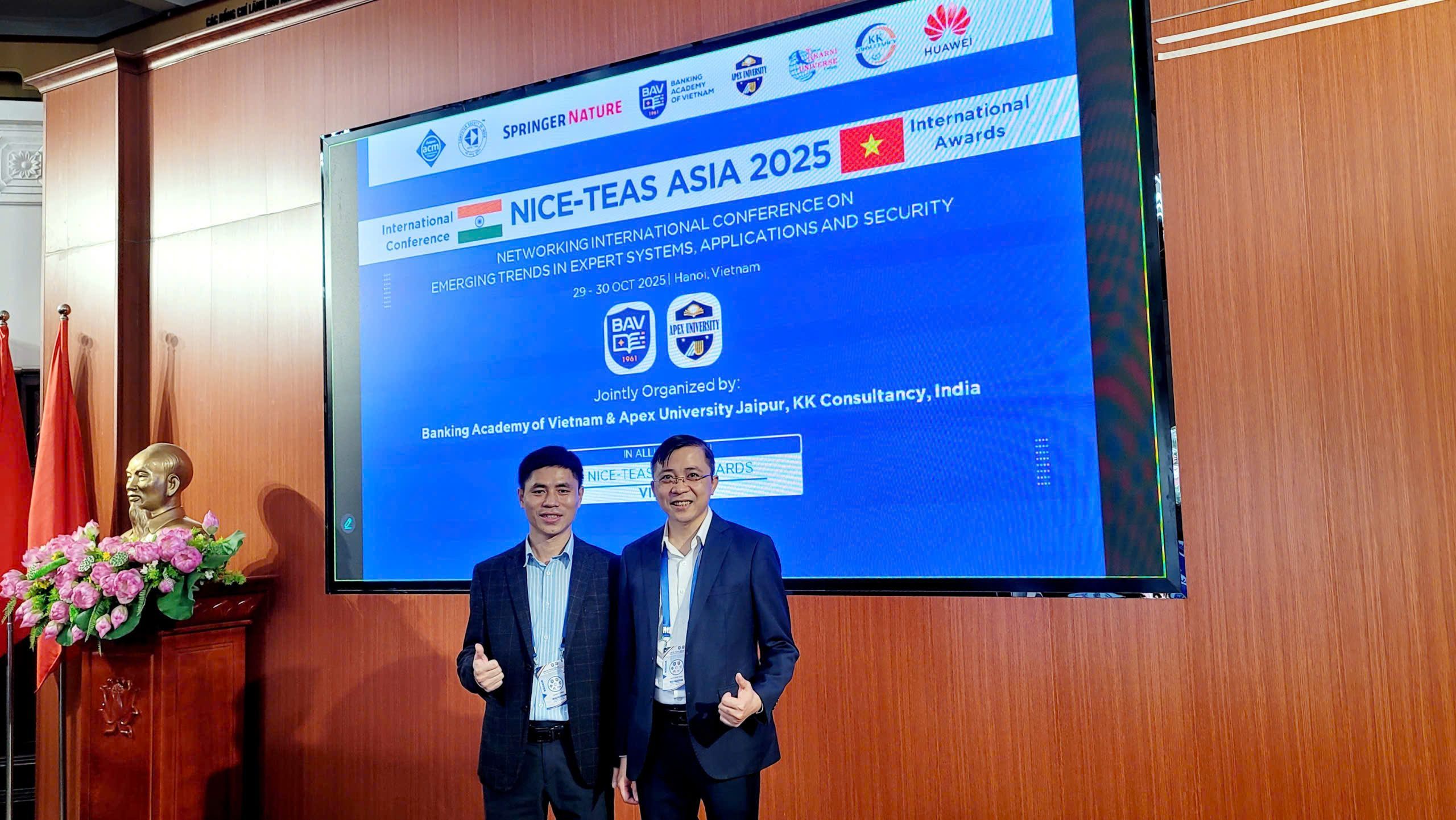
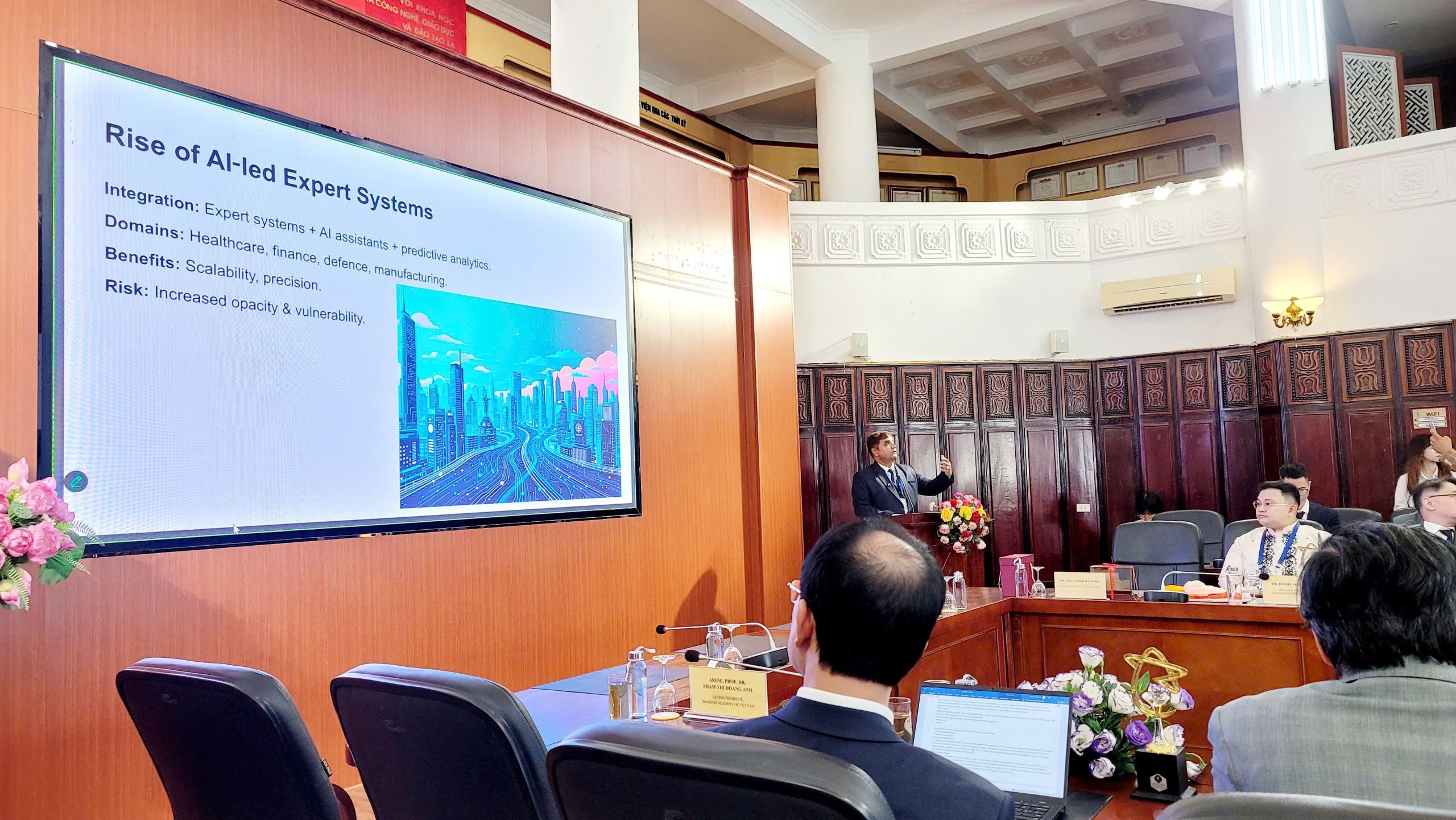
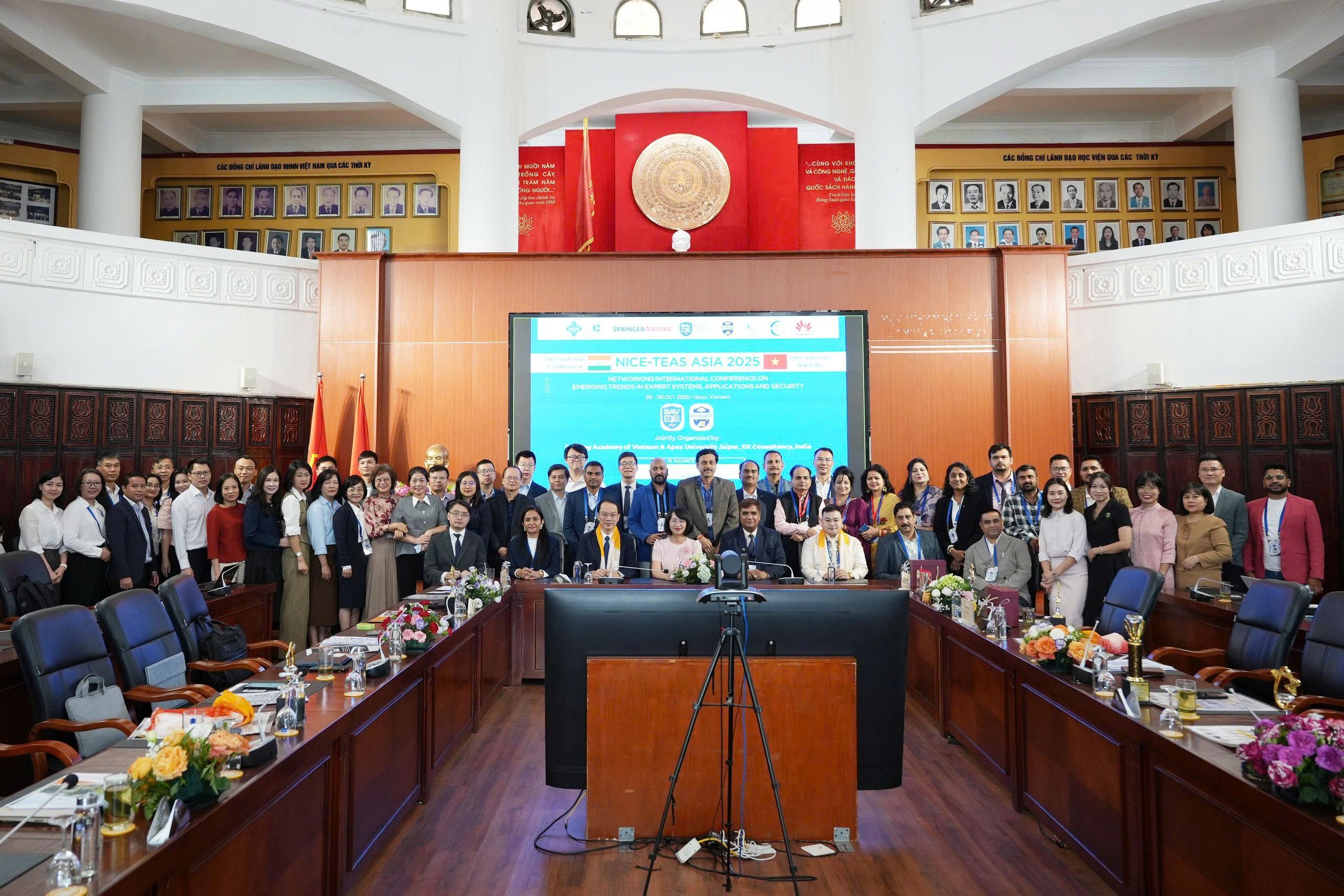
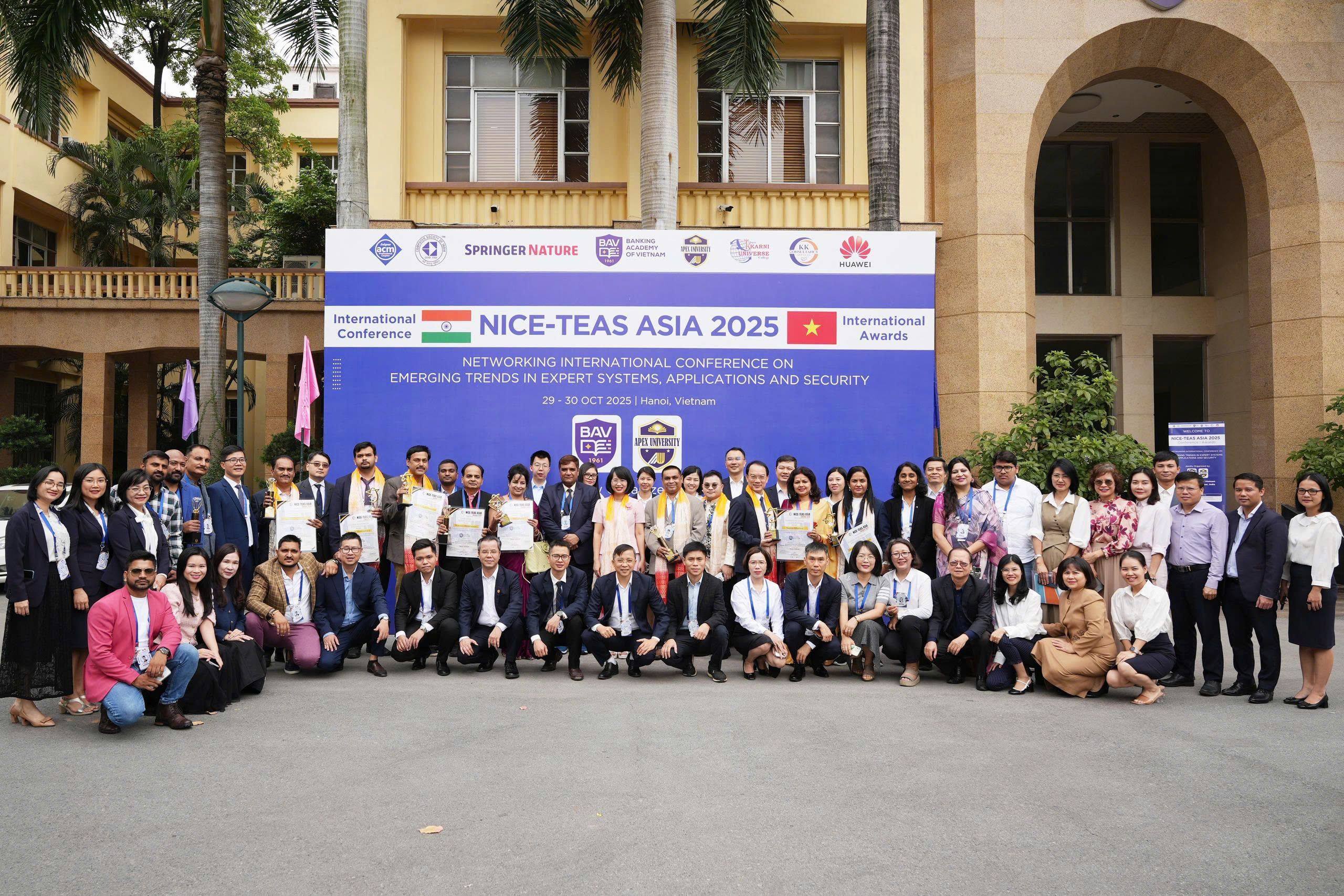
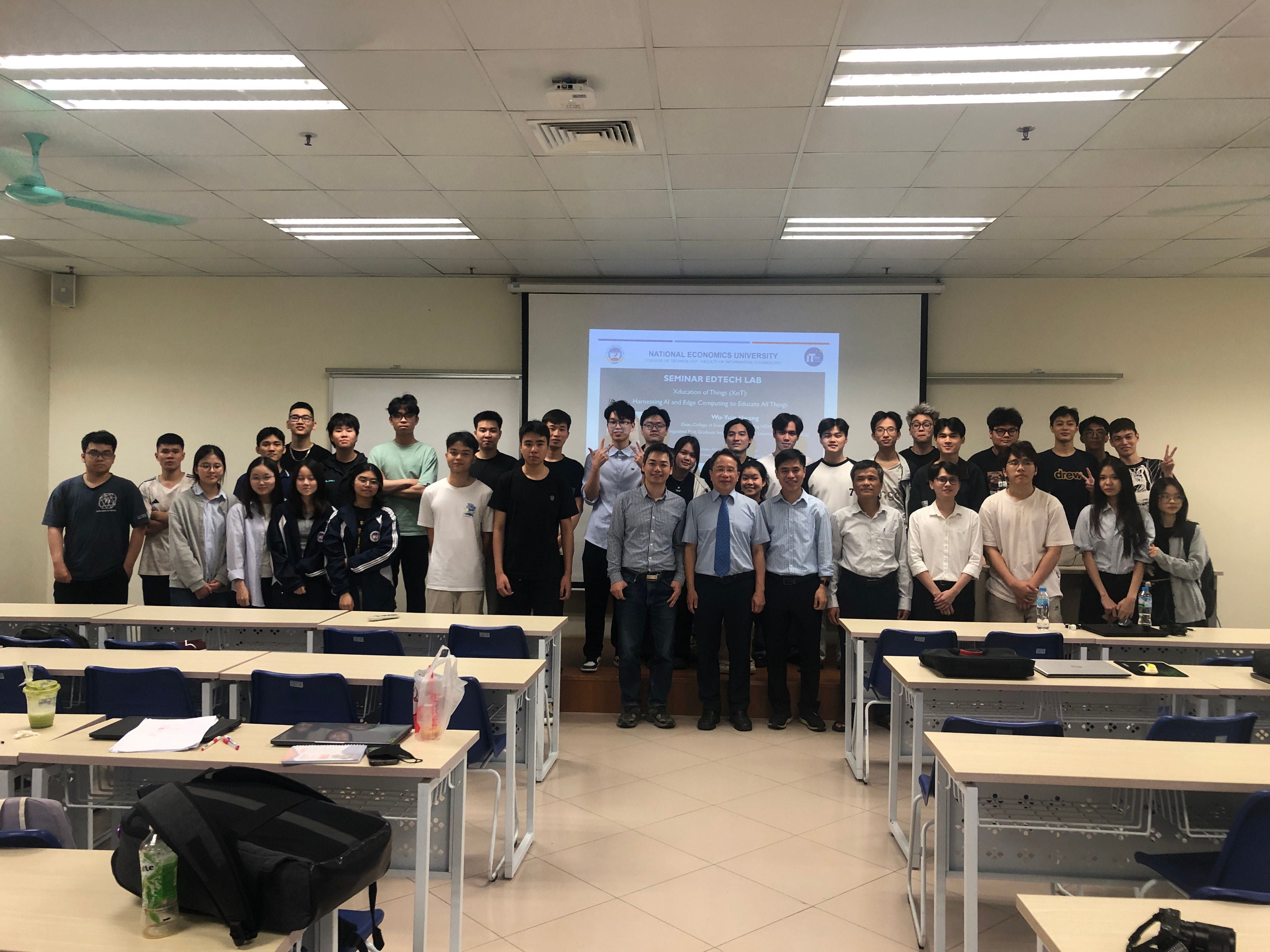
The research was presented by the Edtech Lab team at the conference "Networking International Conference on Emerging Trends in Expert Applications and Security (NICE-TEAS ASIA 2025)" held on October 29, 2025.